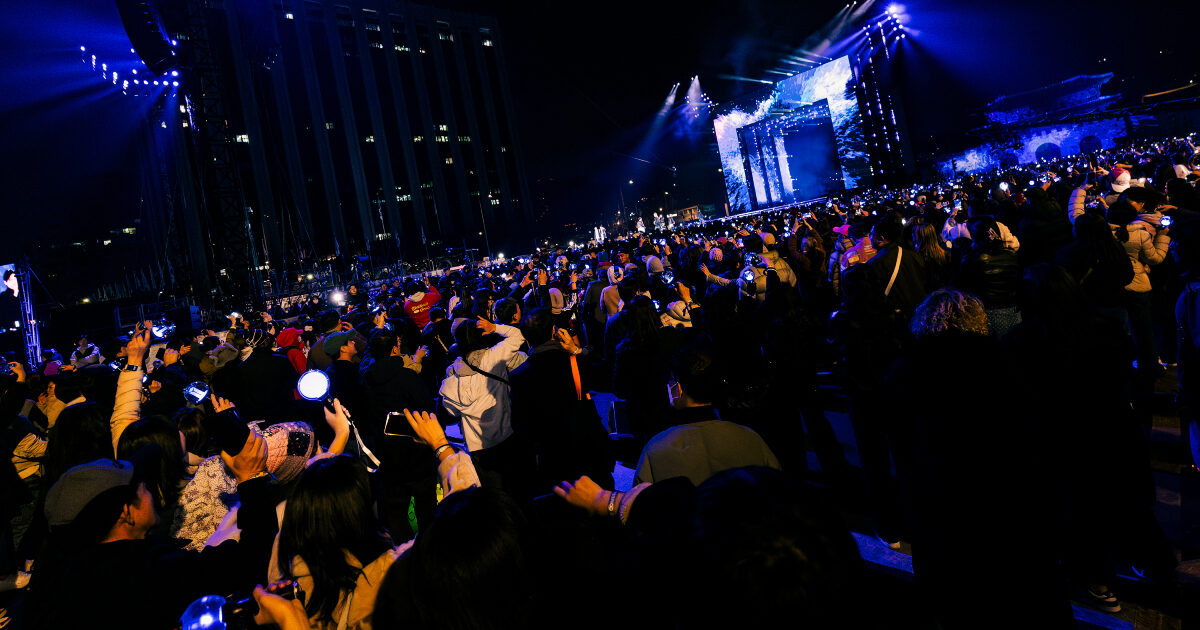
The Korean entertainment industry has become a global powerhouse, exporting not just music but an entire cultural ecosystem. From fashion to food to language, the influence of K-culture continues to expand into new markets and demographics.
To appreciate the significance of this news, it helps to understand the current state of the K-pop market. Global revenue hit record highs this year, driven by a combination of streaming growth, touring expansion, and the increasing sophistication of fan engagement platforms.
Looking at the data, the picture becomes clearer. Fan engagement metrics, social media sentiment analysis, and market indicators all point in the same direction: this is not just news, it's a signal of something bigger.
The reaction from industry insiders has been telling. While public statements remain measured, behind-the-scenes chatter suggests this development is being taken very seriously by the people who matter most.
The details emerging from this story paint a picture of an industry in transition. Traditional models are being challenged by new approaches, and the results are reshaping how we think about pop music in the digital age.
Data from streaming platforms and social media analytics provide a fascinating window into how this news is being received across different markets and demographics. The numbers suggest a level of engagement that exceeds even optimistic projections.
Online reaction has been swift and voluminous. K-pop fans are nothing if not engaged, and this story has generated the kind of passionate discourse that defines the community. Opinions are divided, but the conversation is thriving.
Looking ahead, this story is likely to have lasting implications for how the K-pop industry operates. Change is constant in this space, and today's news could be tomorrow's new normal.